INSIDE THE ARTS/INDUSTRY RESIDENCY AT THE JOHN MICHAEL KOHLER ARTS CENTER: AN INTERVIEW WITH ARIST SAMEER FAROOQ
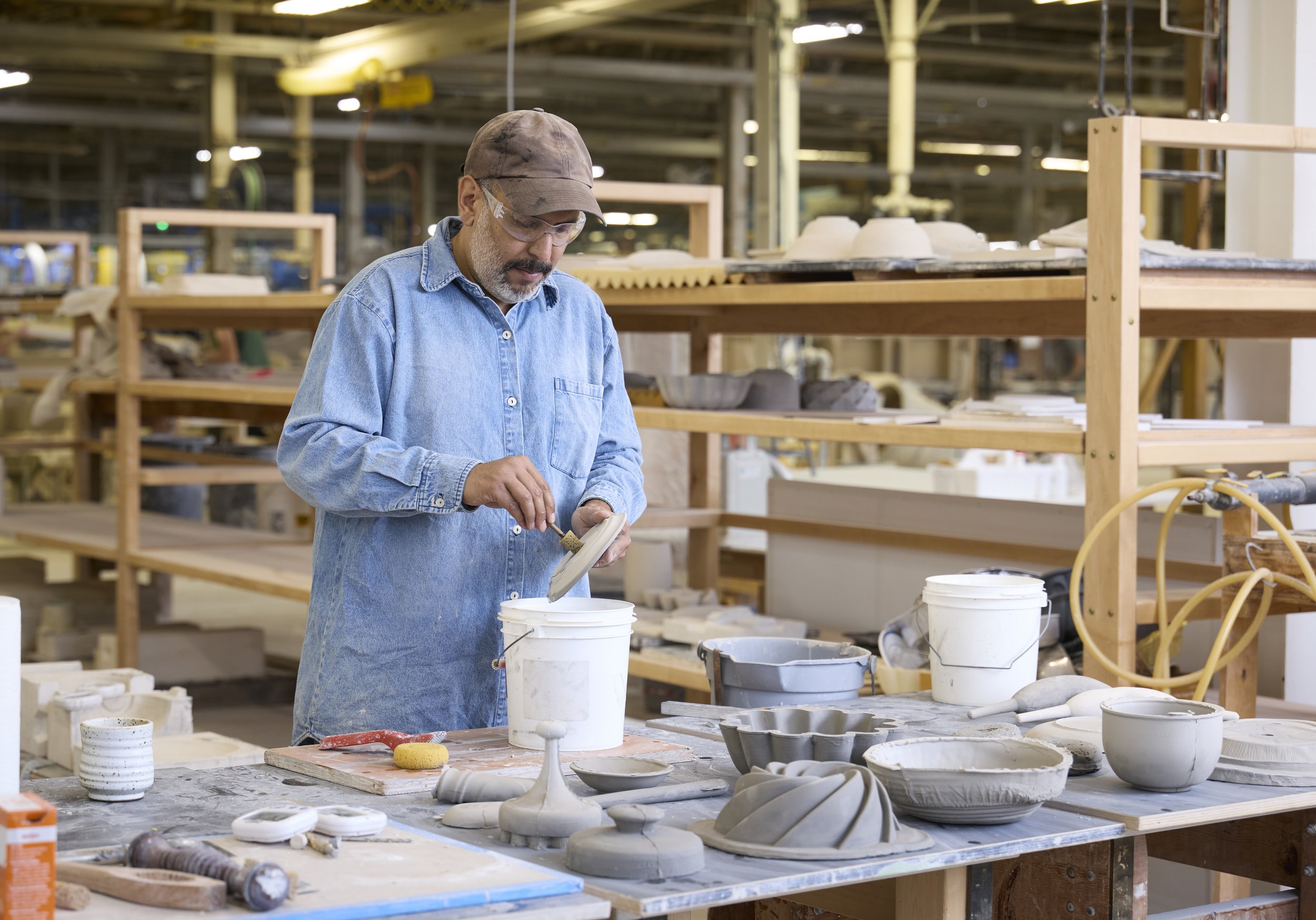
Arts/Industry artist-in-residence Sameer Farooq in the Kohler Co.Pottery,2025.Photo:Kohler Co.,courtesy of John Michael Kohler Arts Center.
This interview features Canadian artist Sameer Farooq, whose interdisciplinary practice moves between sculpture, photography, documentary film, and anthropological research to foreground community-based knowledge and collective memory. Of Pakistani and Ugandan Indian descent, Farooq is known for creating counter-archives that challenge how museums and institutions narrate cultural history. His work often emerges through collaboration and long-term research, employing decolonial, queer, and critical race perspectives to surface buried histories and lived forms of knowledge. Farooq has exhibited internationally, including at the Toronto Biennial of Art, the Venice Architecture Biennale, the Aga Khan Museum, the Art Gallery of Ontario, and institutions across Europe, North America, and the Middle East.
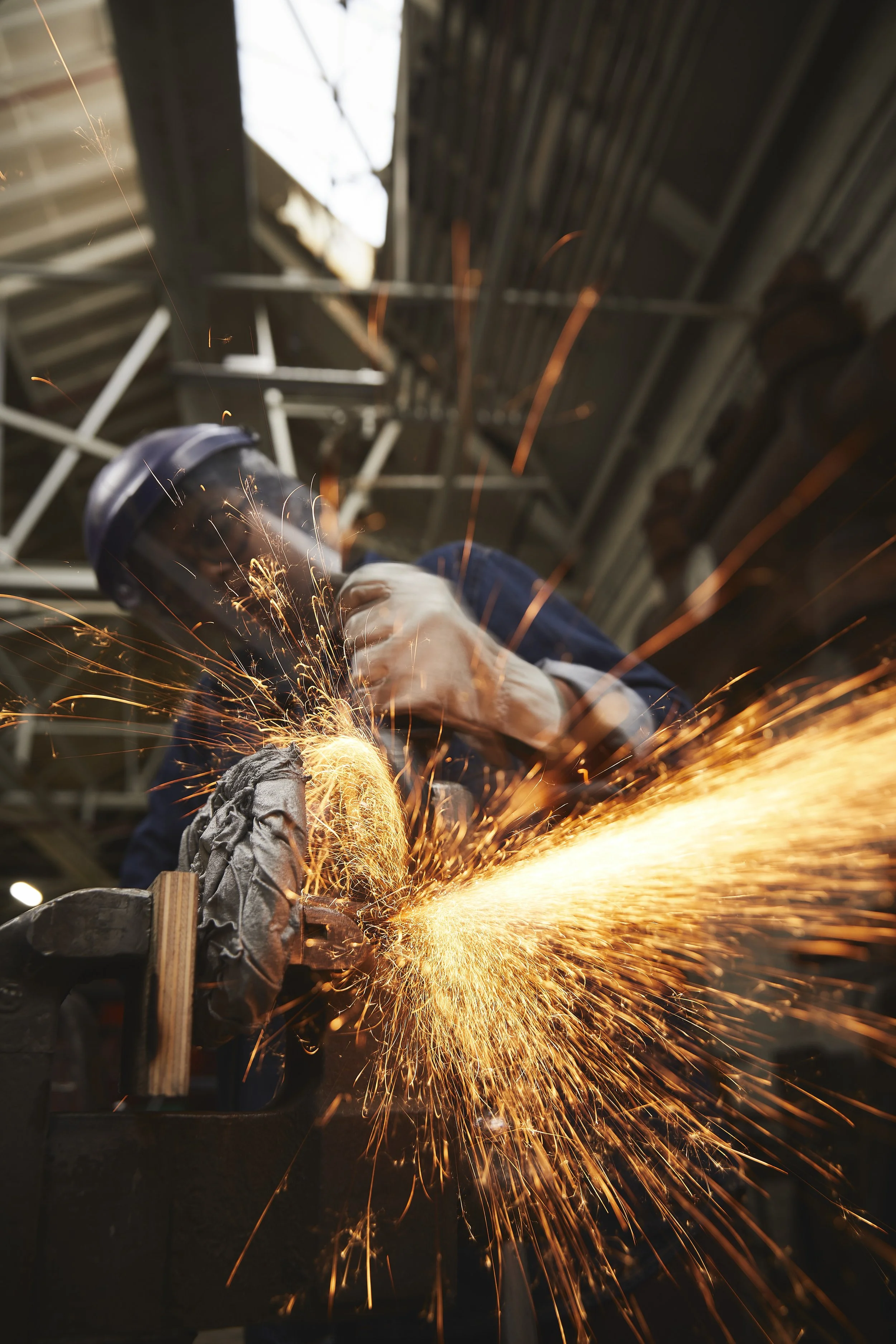
Arts/Industry artist-in-residence Nirmal Raja in the Kohler Co.Foundry,2023.Photo: Kohler Co., courtesy of John Michael Kohler Arts Center.
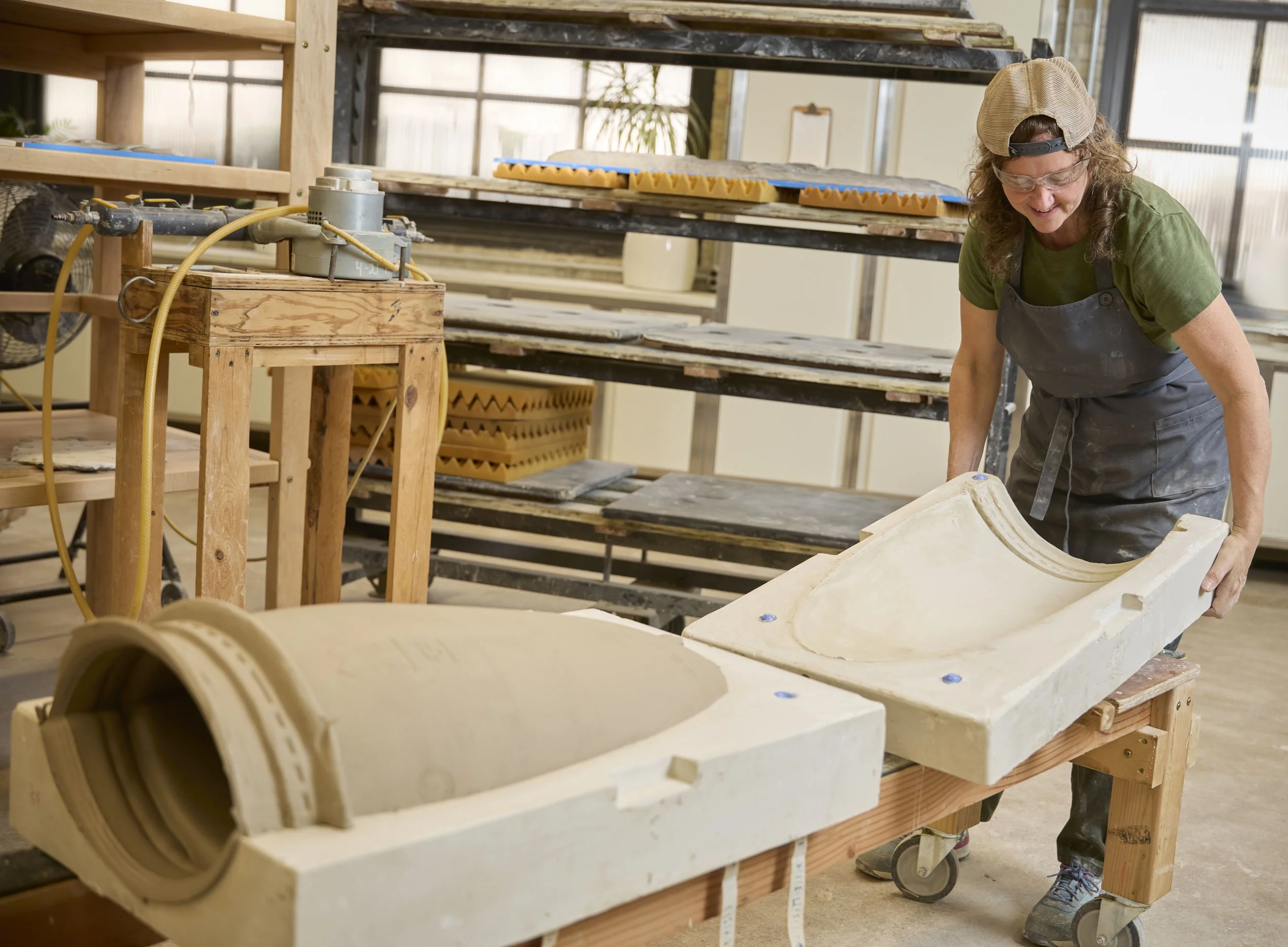
Arts/Industry artist-in-residence Marie Lorenz in the Kohler Co.Pottery,2025.Photo: Kohler Co., courtesy of John Michael Kohler Arts Center.
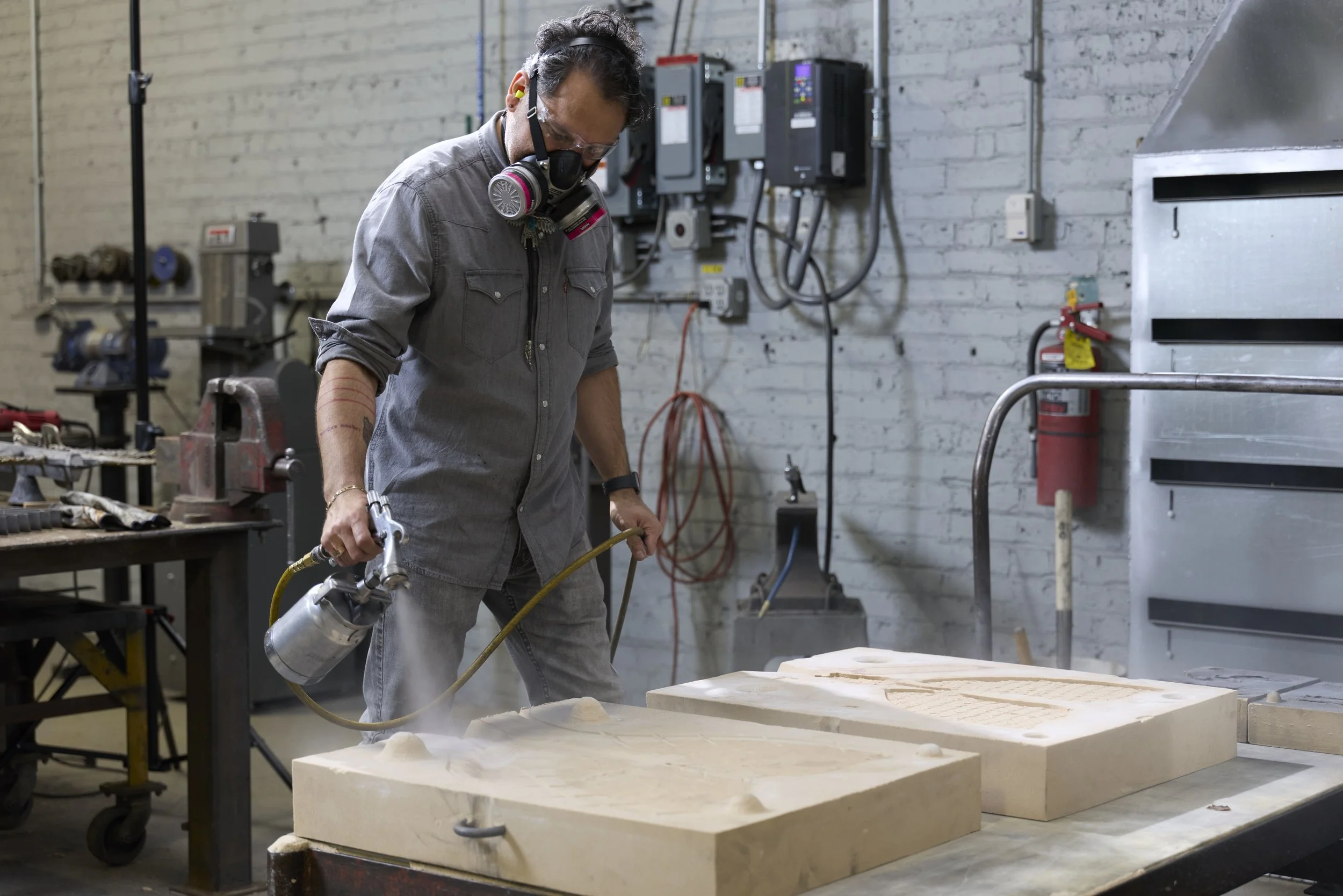
Arts/Industry artist-in-residence Salvador Jiménez-Flores in the Kohler Co.Foundry,2025.Photo: Kohler Co., courtesy of John Michael Kohler Arts Center.
The conversation takes place within the context of Farooq’s participation in the Arts/Industry residency at the John Michael Kohler Arts Center (JMKAC) in Sheboygan, Wisconsin. Founded in 1967, JMKAC is internationally recognized for preserving artist-built environments and supporting unconventional artistic practices. The Center is the steward of the Mary Nohl Art Environment, a singular, decades-long transformation of a lakeside property into a total artwork encompassing paintings, stained glass, ceramics, and fifty-nine outdoor sculptures. Visitors are offered rare access to the site alongside Programming Director Alex Gartelmann. In JMKAC’s galleries, exhibitions such as Heidelbergology: Is It Art Now? bring Tyree Guyton’s iconic Heidelberg Project into an institutional setting for the first time, while further presentations reinforce JMKAC’s role as a home for immersive, socially engaged art experiences.
Farooq’s residency situates him within Arts/Industry, a landmark collaboration between JMKAC and Kohler Co. that has supported more than 500 artists since 1974. Selected from a highly competitive pool of applicants, Arts/Industry residents work directly inside Kohler’s Pottery and Foundry, gaining access to industrial materials, equipment, and the technical expertise of factory associates. As Executive Director Amy Horst notes, the program fosters collaboration and ambitious experimentation, while Kohler Co.’s Chief Sustainable Living Officer Laura Kohler emphasizes art’s capacity to drive innovation and new ways of thinking. Through this residency, Farooq joins a lineage that includes artists such as Theaster Gates, Ghada Amer, Robert Gober, and Woody de Othello—advancing a model of artistic production where industry, craft, and cultural inquiry intersect.
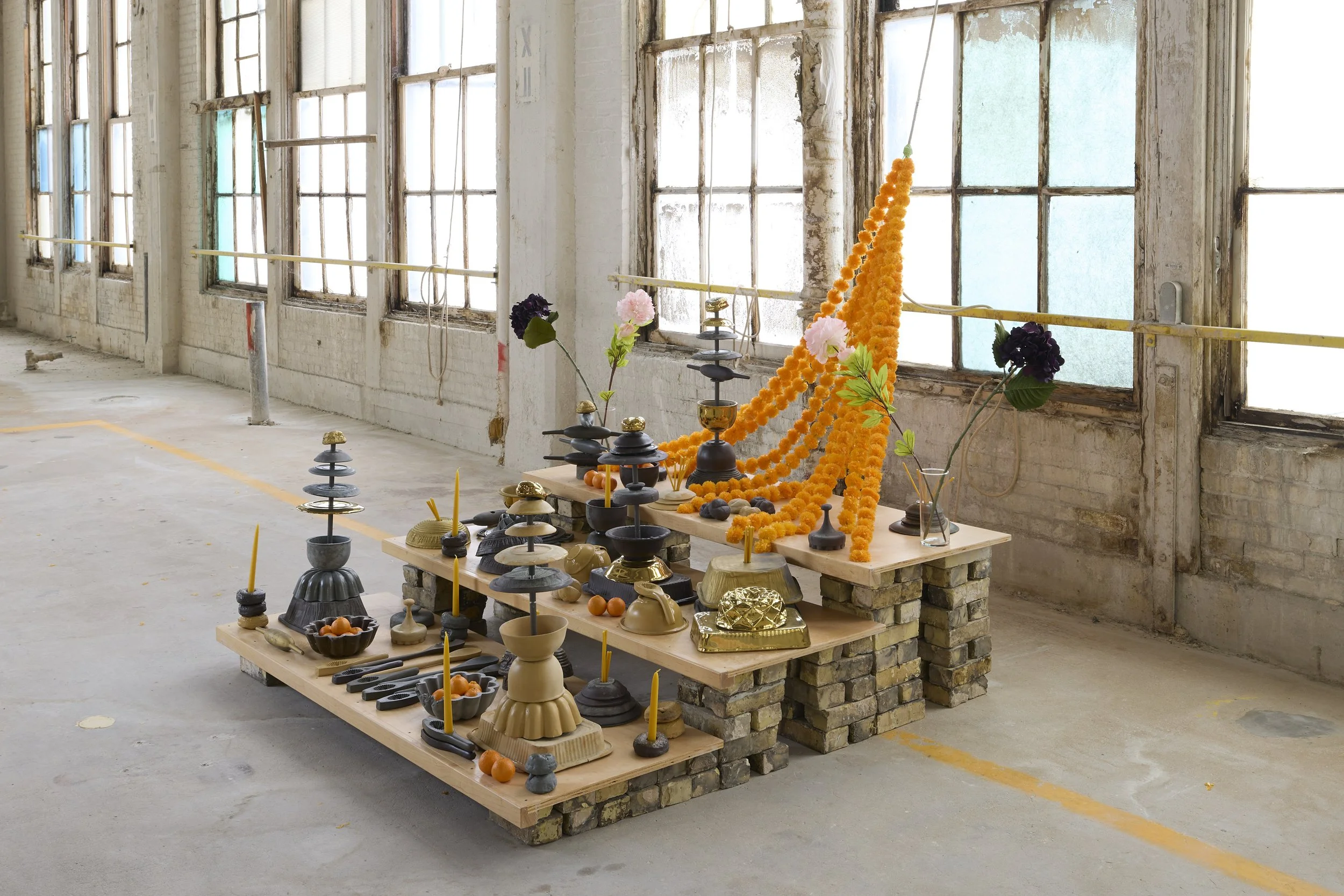
Work by Arts/Industry artist-in-residence Sameer Farooq, 2025. Photo: Kohler Co., courtesy of John Michael Kohler Arts Center.
Interview
John Michael Kohler Arts Center / Arts/Industry Residency
AMADOUR:
Hi Sameer. We met at Kohler, and I loved seeing your work there. Could you tell me about The Flatbread Library, which was shown at the Toronto Biennial of Art in Canada? It was curated by Dominique Fontaine and Miguel A. López and co-commissioned by the Agnes Etherington Art Centre. Can you talk about flatbread, what it means to you, and the history behind it? And maybe also touch on the techniques you’re working with at Kohler right now.
SAMEER FAROOQ:
Sure. The Flatbread Library was a multi-year project that grew out of my long-standing interest in ephemerality, gesture, and working-class cultures—things that often don’t make it into museums. The lives, stories, and even the sculptural labor of bakers are rarely represented institutionally.
I really believe bakers are some of the best sculptors among us. Through kneading and shaping dough, they carry embodied knowledge across generations. I became interested in the baker as sculptor—someone producing objects deeply embedded in cultural history.
For the Toronto Biennial, I visited about forty bakeries across the Greater Toronto Area and collected flatbreads to build a library for the city. The project explored migration through bread, so I worked primarily with diasporic bakeries—places using tandoor ovens, for example, Iranian, Pakistani, Indian, Afghan, Azerbaijani, Tajik, Uzbek, East African, Mexican, and European bakeries. I wanted as broad a spectrum of baking knowledge as possible.
The installation took the form of a woven archive—a large hanging curtain composed of flatbreads. Museums usually rely on taxonomy: linear histories, rigid categories, and fixed national identities. Bread resists that. It’s fugitive and slippery. No single bread belongs to one nationality; it crosses borders freely. The sculpture had to reflect that, which is why it was woven together in a more organic, transitional way.
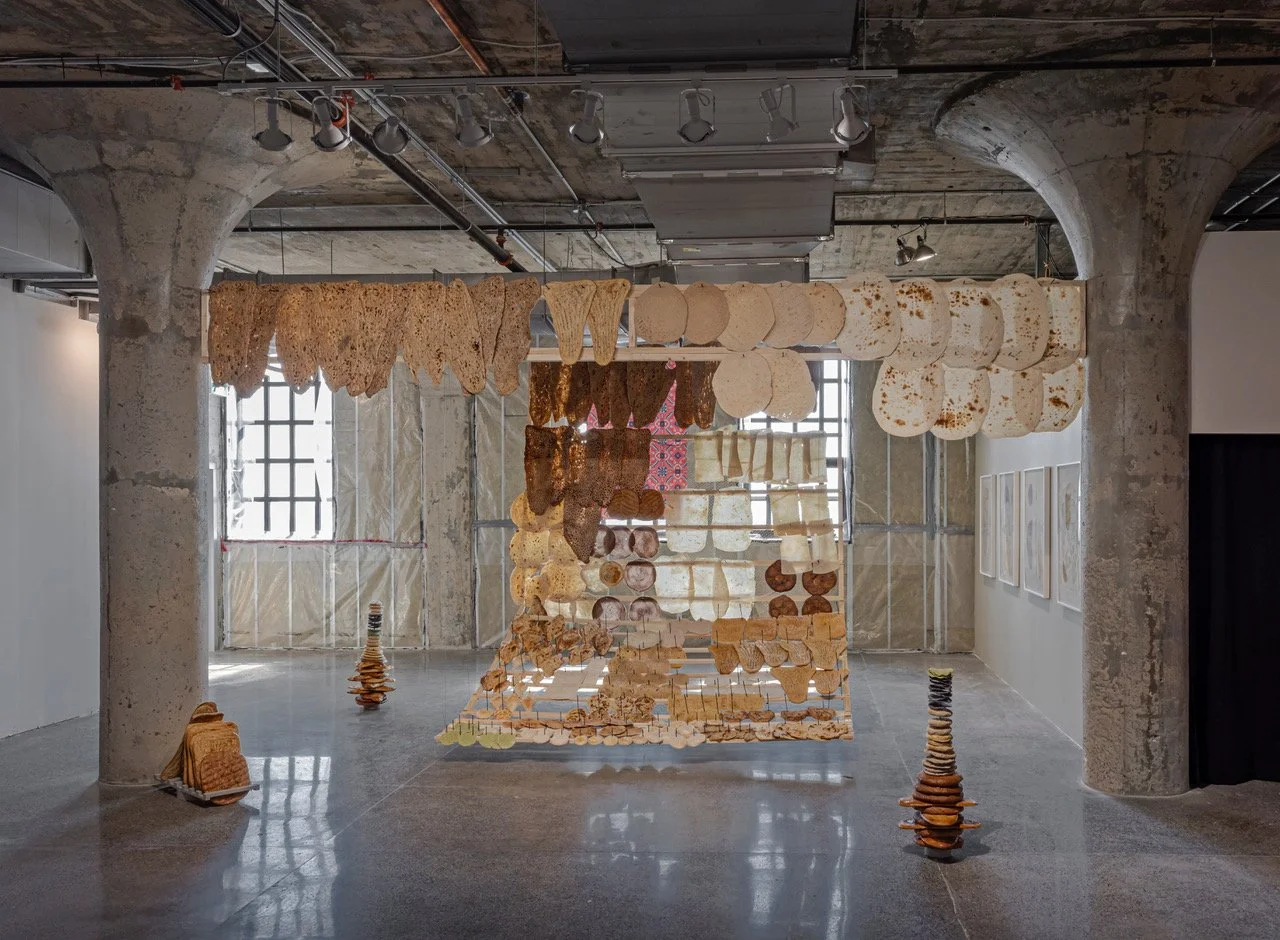
Work by Sameer Farooq. Toni Hafkensheid and the Toronto Biennial of Art
AMADOUR:
That’s amazing. Having seen you working in residence at the John Michael Kohler Arts Center, how has your practice transformed there? What kinds of experiments or discoveries have come from working within that facility? And what’s it like being surrounded by so many different people in such an intense environment?
SAMEER FAROOQ:
The Arts/Industry Residency is incredibly unique and has profoundly affected my practice. I work a lot through iteration and repetition to understand the animism—the life—of an object. Kohler’s focus on mold-making and slip casting aligns perfectly with that. Slip casting is inherently repetitive: you pour the same mold over and over, which allows you to understand a form's DNA.
Here, I’ve extended The Flatbread Library research by working with the tools of bread production. I’ve been casting rolling pins, bread stamps, cake forms, pie plates—anything I could find. I also brought baking implements with me and began arranging them as altars or stupas honoring bakers.
These sculptures function as devotional objects—honoring bakers who nourish us while preserving embodied knowledge through daily labor. The installation will likely include around 400 pieces, arranged as piles or altars that cohere and fall apart, forming an improvised spiritual space.
Working in the factory itself has been incredible. The residency has been running for over fifty years, and what’s remarkable is working alongside Kohler factory associates—people making sinks, toilets, bathtubs. The man next to me has been making urinals for seventeen years.
What surprised me was how much manual labor is still involved. Everything is hand-poured, burnished, and repaired. The processes mirror artistic labor. Master mold makers constantly adapt forms to material constraints. It’s fascinating to see how parallel our lives are, even though we’re not operating within a conventional contemporary art milieu.
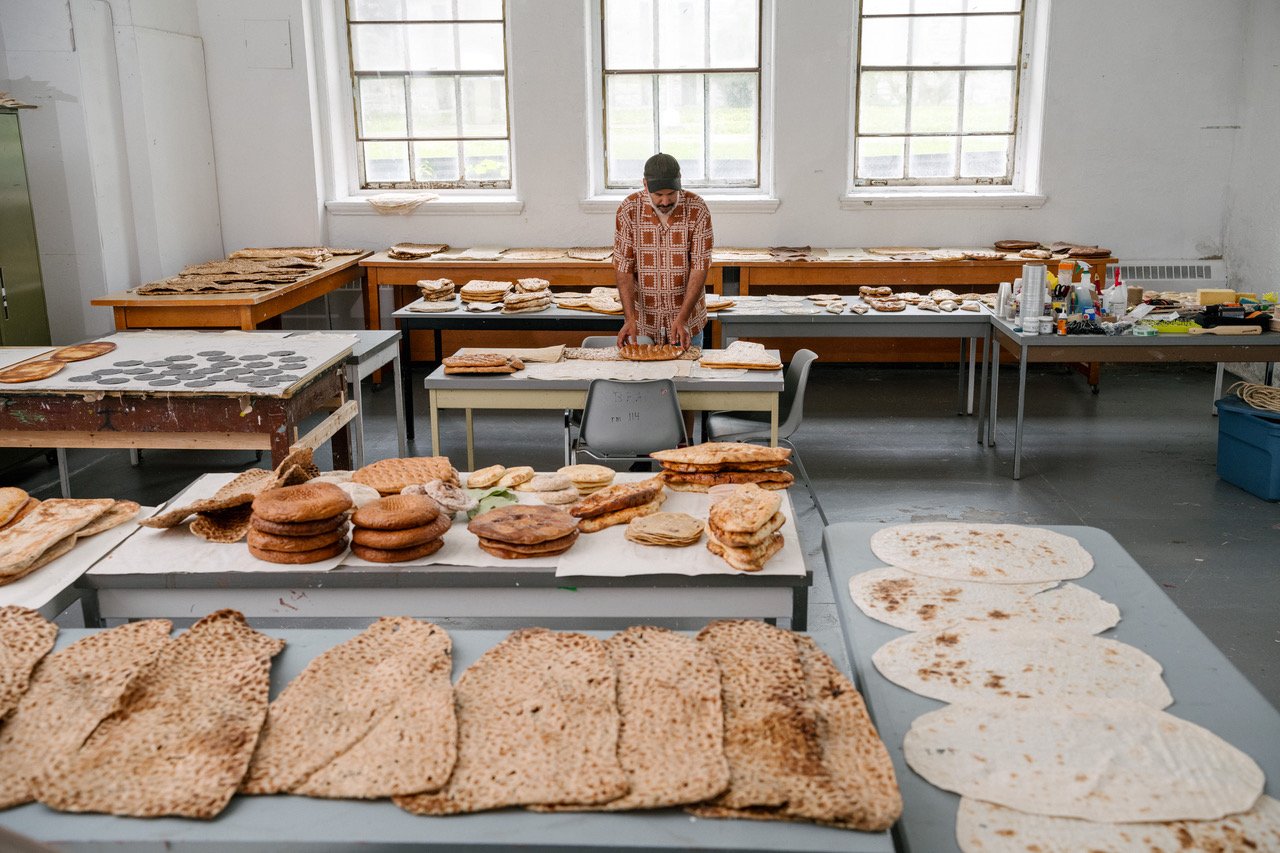
Arts/Industry artist-in-residence Sameer Farooq, 2025. Photo: Kohler Co., courtesy of John Michael Kohler Arts Center.
AMADOUR:
Is this your first time in Wisconsin and Sheboygan?
SAMEER FAROOQ:
Yes, it’s my first time. Being here during this political moment has been intense. It feels claustrophobic, especially given how close we are to Chicago and the immigration crackdowns happening there. But Sheboygan feels like a haven—smaller, more protected.
AMADOUR:
How do you see your work responding materially and conceptually to this political climate, especially in relation to food production and baking communities?
SAMEER FAROOQ:
I’ve been collecting bread forms specific to this region, informed by Danish and German baking traditions. I like my work to have a site-specific entanglement.
Historically, during moments of political violence or genocide, bakeries are often targeted first. We saw this in Gaza, where bakeries were among the first sites destroyed. These realities have seeped into the work. Many of the vessels I’m making are fossilized, broken, gritty—echoing images from Gaza. I’ve been thinking about improvised ovens in refugee camps and the connection between bread, survival, and resistance.
AMADOUR:
You were also part of the Venice Architecture Biennale. What was that experience like?
SAMEER FAROOQ:
It was incredible. The Architecture Biennale felt more research-driven and less frenetic than the Art Biennale. I participated in the Canadian Pavilion with a collective called Architects Against Housing Alienation. We brought together collectives across Canada addressing gentrification and housing precarity.
I’m part of Gentrification Tax Action GTA, advocating for a tax on property sales in gentrifying neighborhoods, with funds redirected back into the community. Our project in Venice highlighted how such a tax could safeguard communities against displacement.
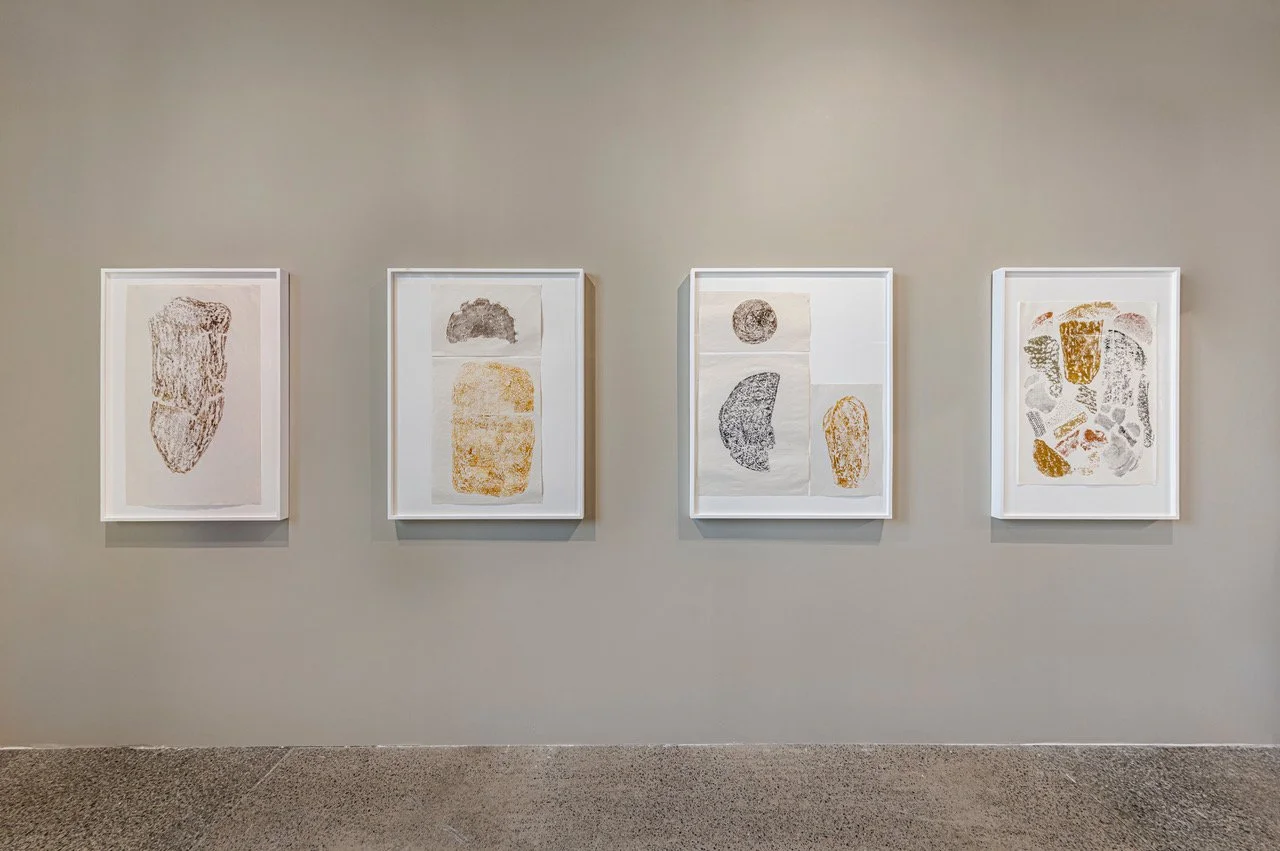
Work by Sameer Farooq. Toni Hafkensheid and the Toronto Biennial of Art
AMADOUR:
Your work feels very system-based and anti-hierarchical. Bread is stacked, but it doesn’t feel ranked—it feels connective.
SAMEER FAROOQ:
Exactly. Foodways are inherently cross-pollinated. Museums tend to isolate objects, but food reveals connections between histories. A cookie from Syria might melt into a cake from Wisconsin. History is more like a kitchen than a silo.
AMADOUR:
As a final question: what’s next after Kohler, and what has been a standout moment of the residency?
SAMEER FAROOQ:
I have a touring exhibition, The Fairest Order in the World, about repatriation and how museums might be filled once stolen objects are returned. It’s a tour of three institutions in Canada. I also have a major sculpture commission in New York planned for 2027, as well as a show at the University of Oregon’s PRAx Center.
Kohler has been incredibly supportive—technically and institutionally. If you’re looking for a deeply production-focused residency, this is an exceptional place. The Arts Center also prioritizes long-term relationships with artists, a rare and meaningful approach.
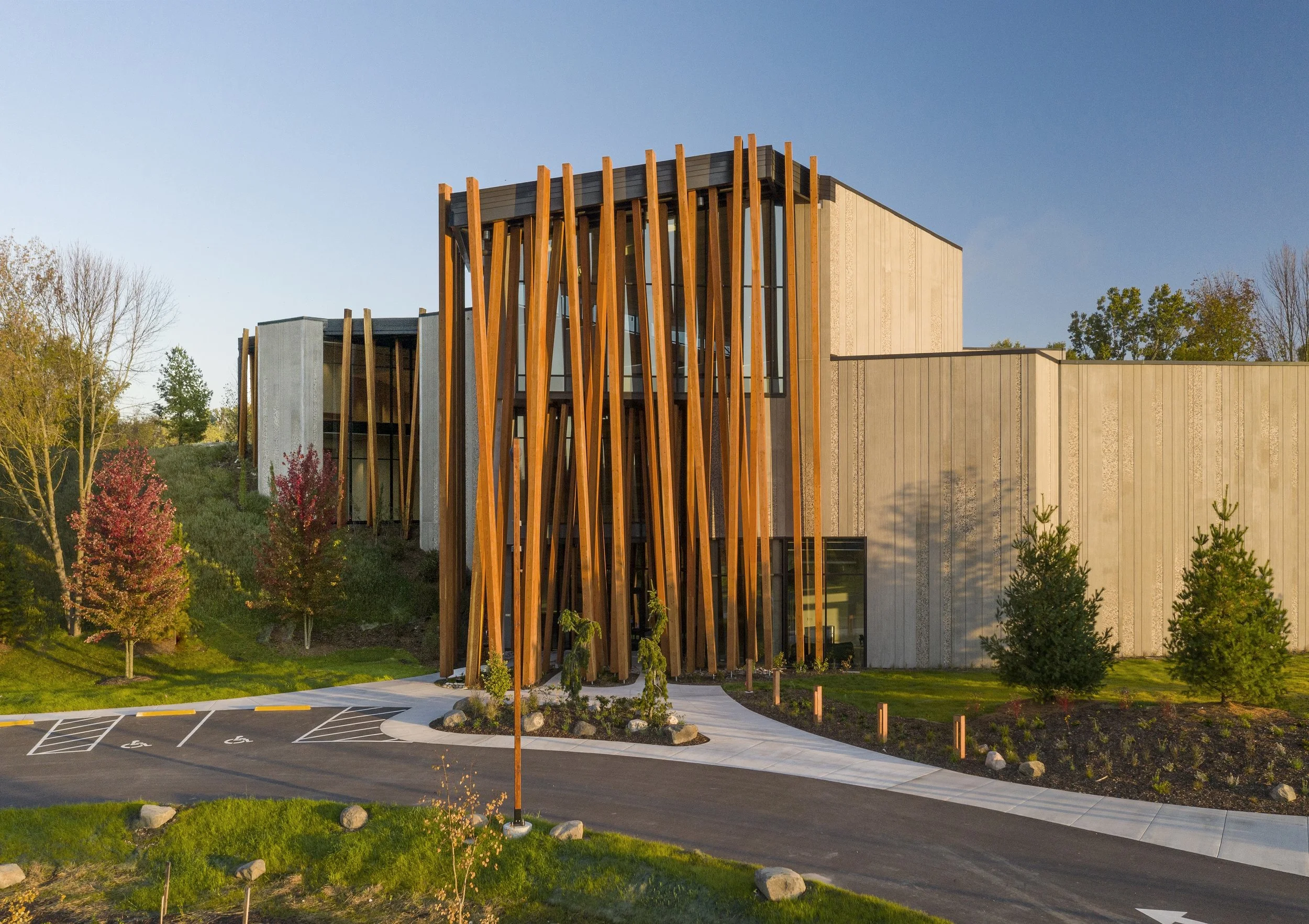
The Art Preserve of the John Michael Kohler Arts Center, Sheboygan, WI. Photo: Durston Saylor, courtesy of John Michael Kohler Arts Center